


Summary
The “Popular Transport and Inclusive Cities” project focuses on addressing the deep-rooted challenges of exclusion faced by women and children in peripheral and relocated urban communities in Mumbai and Ahmednagar, India. These populations often lack access to reliable and safe transportation, making it difficult to reach essential services like education, healthcare, and employment. The project identifies the disconnect between housing resettlement schemes and transportation infrastructure, as well as disparities in urban mobility — where women and children face greater safety risks and travel burdens. Informal auto-rickshaw systems, which many rely on, are typically excluded from formal urban planning despite their essential role in last-mile connectivity.
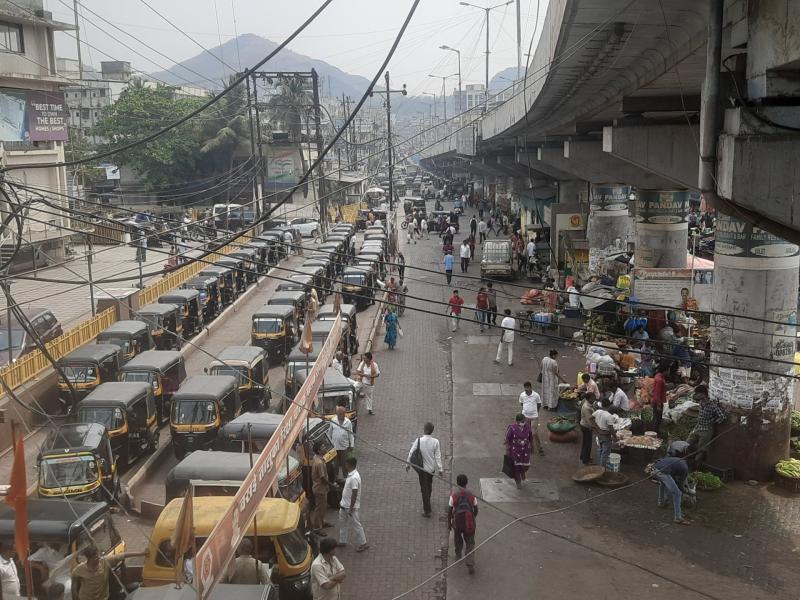
To tackle these issues, the project adopts a community-led, data-driven strategy. It engages women's collectives, local transport operators, and civic stakeholders through participatory mapping, digital data tools, and collaborative design of mobility solutions. The approach will include integrated community and mobility hubs that offer childcare, information access, and rickshaw connectivity tailored to local needs. These hubs will also serve as data collection points and advocacy platforms. Pilot interventions — such as new rickshaw routes, driver sensitivity training, and infrastructure improvements—will be tested using a living lab model. Findings will be translated into policy briefs, public exhibitions, and peer-reviewed publications, creating the foundation for broader systemic change.
"We are committed to a deeply engaged, long-term approach with communities, one that continues until meaningful change is visible on the ground. This emphasizes not just collaboration, but sustained involvement towards an on-ground impact."
- Alex Mohan Kandathil, SPARC
The project is implemented through a partnership between Columbia University faculty and researchers and India-based partners SPARC, Mahila Milan, KRVIA, and URBZ leveraging both local trust and expertise. The initiative aims to directly benefit over 10,000 individuals while also influencing urban mobility planning at the state and national levels. By recognizing informal transport as a vital urban asset and centering the voices of women and children in planning, the project seeks to build more inclusive, equitable, and resilient cities. Long-term goals include institutionalizing inclusive transport policies and creating scalable models of inter-city learning and collaboration between larger and smaller urban centers.
By bringing together community-led planning, auto-rickshaw providers, and digital technologies in a novel way, this project provides an important pathway to more connected, inclusive, just, livable and resilient cities.
Partners:
-

Jacqueline Klopp
Columbia UniversityProject LeadRead Full Bio arrow_right_altJacqueline Klopp is the Director of the Center for Sustainable Urban Development at Columbia University’s Climate School. She is a social scientist who explores key policy and...
-
Nikhar Gaikwad
Columbia UniversityProject LeadRead Full Bio arrow_right_altNikhar Gaikwad is an assistant professor in the Department of Political Science and a member of the Committee on Global Thought at Columbia University. He specializes in...
-

Geeta Mehta
Columbia UniversityProject LeadRead Full Bio arrow_right_altDr. Geeta Mehta is the founder of Social Capital Initiatives (formerly Asia Initiatives), a non-profit organization that works with underserved communities to help improve...
-
Anreerudha Paul
Kamla Raheja Vidyanidhi Institute for Architecture and Environmental Studies (KRVIA); Society for the Promotion of Area Resource Centres (SPARC)Project TeamRead Full Bio arrow_right_altAneerudha Paul is an architect, urban designer, and educator with extensive experience in architectural and urban research, practice, and policy engagement. He completed his...
-
Alex Mohan Kandathil
Society for the Promotion of Area Resource Centers (SPARC)Project TeamRead Full Bio arrow_right_altAlex Mohan Kandathil, an urban designer driven by an enthusiasm for unravelling the intricacies of collective practices that shape cities and influence broader urban systems. With...
-
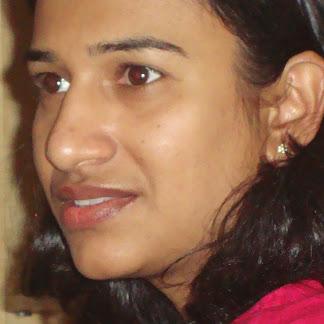
Maria Lobo
Society for the Promotion of Area Resource Centres (SPARC)Project TeamRead Full Bio arrow_right_altMaria has extensive experience in working with communities in rural and urban areas in India. She has worked with SPARC over 19 years as a coordinator and professional consultant...
-
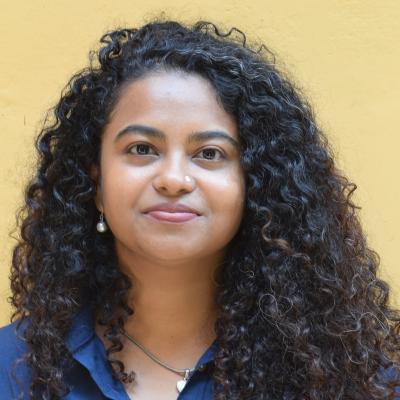
Kareena Kochery
URBZProject TeamRead Full Bio arrow_right_altKareena Kochery is an architect specializing in Landscape architecture and Cultural geography, and a partner at the URBZ Collective. She graduated with an MSc. in Landscape...
-

Samidha Patil
URBZProject TeamRead Full Bio arrow_right_altSamidha Patil is an architect, urban researcher and partner at the URBZ Collective. She graduated with a degree in Urban Management and Development from the Institute for Housing...
-
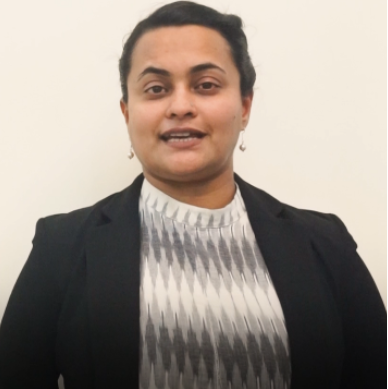
Sonal Shah
The Urban CatalystsProject TeamRead Full Bio arrow_right_altSonal Shah is the Executive Director of the Centre of Sustainable and Equitable Cities and the founder of The Urban Catalysts, advising multiple stakeholders on climate resilient,...
-
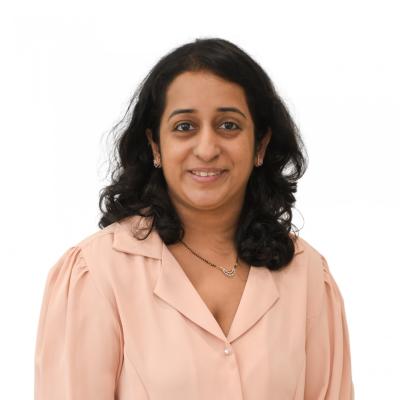
Puja Pednekar
Columbia UniversityProject TeamRead Full Bio arrow_right_altPuja Pednekar is the Senior Communications Officer at Columbia Global Centers Mumbai.
-
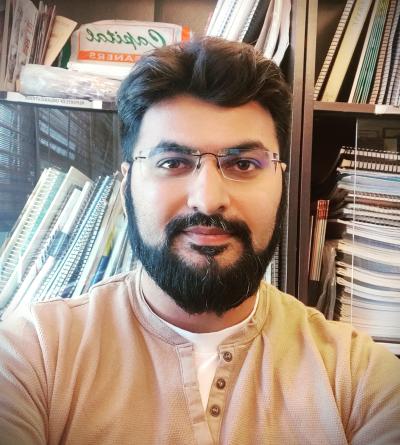
Nihar Johari
Society for Promotion of Area Resource Centres (SPARC)Project TeamRead Full Bio arrow_right_altNihar Johari is an Urban and Infrastructure planner with professional experience of 12+ years in Infrastructure Planning, Social Sector and Climate change with Central and State...