


In 1841, a 12-year-old boy named Edmond Albius made a discovery that changed the world. With a blade of grass and his thumb, he unlocked the secret to hand-pollinating vanilla — an innovation still used today. Born into slavery on the island of Réunion, Edmond’s name rarely appears in history books, yet his simple act of ingenuity transformed a global industry.
Today, a similar curiosity for plants is blooming in unexpected places — from a creative writing workshop in New York City to a preschool garden in Sierra Leone.
These spaces are part of two Columbia Global initiatives that center children not just as students, but as storytellers and problem-solvers. In New York, Planting Stories: Seeds of Diaspora invites high schoolers to explore migration, identity, and memory through plants and creative writing. In Sierra Leone, Project SHINE! takes place in a preschool, turning the schoolyard into gardens that feed bodies and minds.
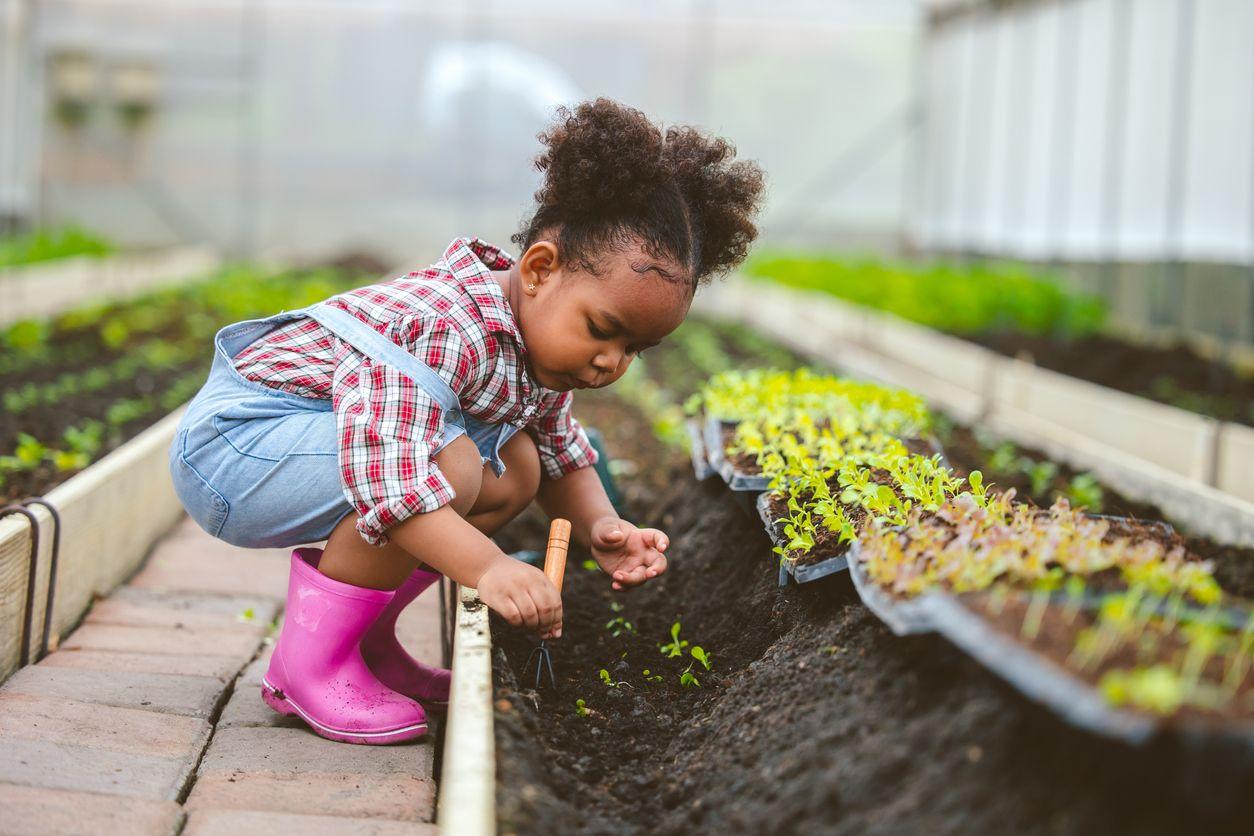
In both cases, something powerful happens when young people interact with plants as part of their learning. They begin to trace connections between the foods they eat and the histories behind them, between health and access, and between forgotten stories and the futures they’re building.
Backed by Columbia World Projects and designed with input from researchers and local experts, these efforts are growing more than plants. They’re cultivating knowledge, resilience, and community.
Still curious?
Read the full story on how these projects are making an impact.